 Get the app
Phonics games for ages 4 to 7
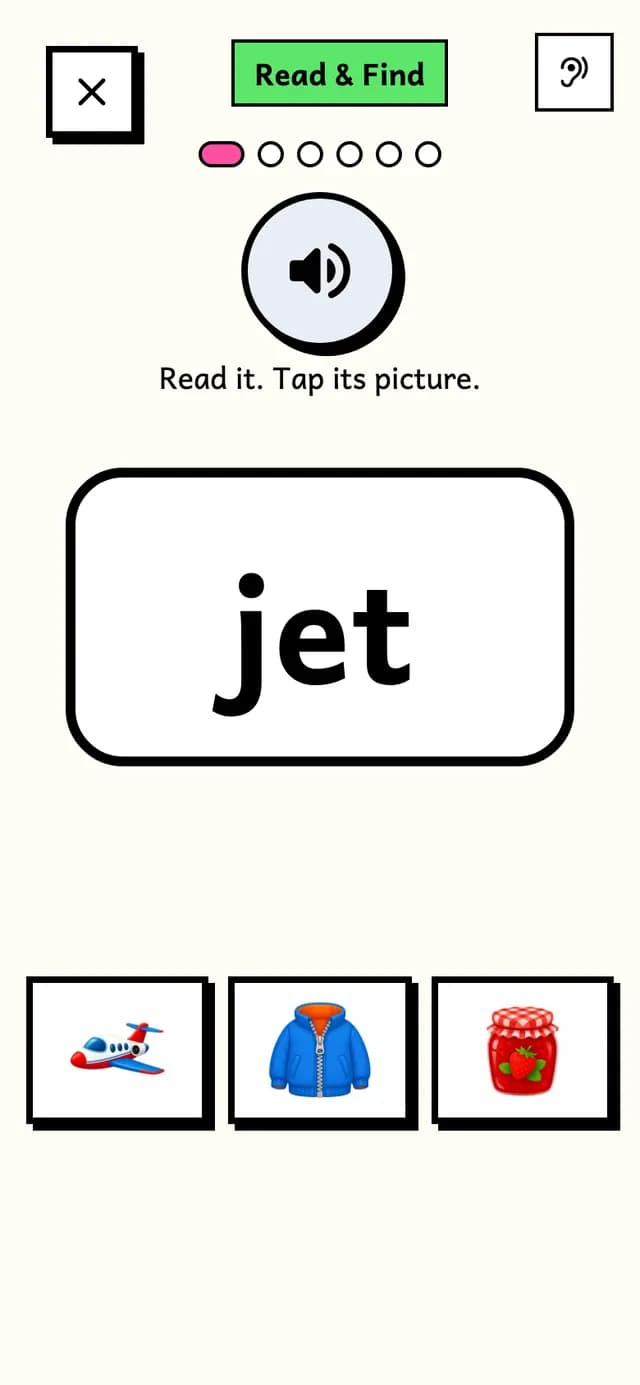
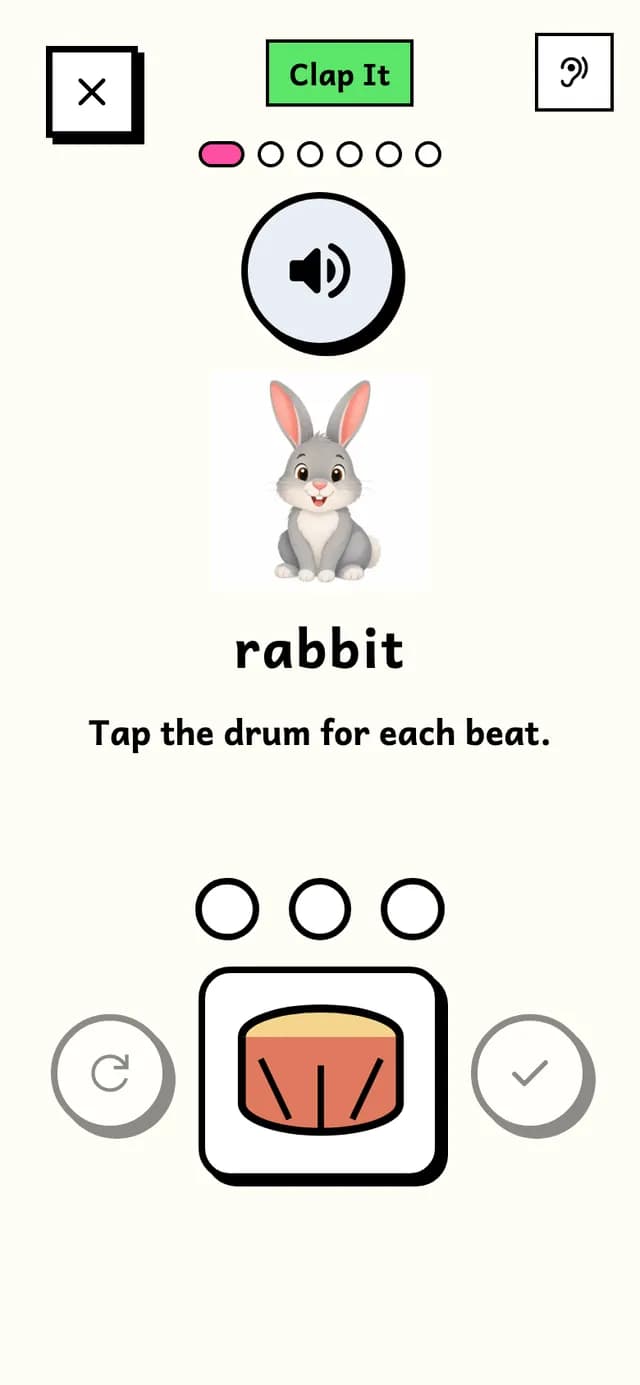
18 phonics levels across Reception, Year 1 and Year 2, with 30 kinds of game. Sounds are introduced in the order they are taught in many UK schools, so home practice lines up with the classroom.
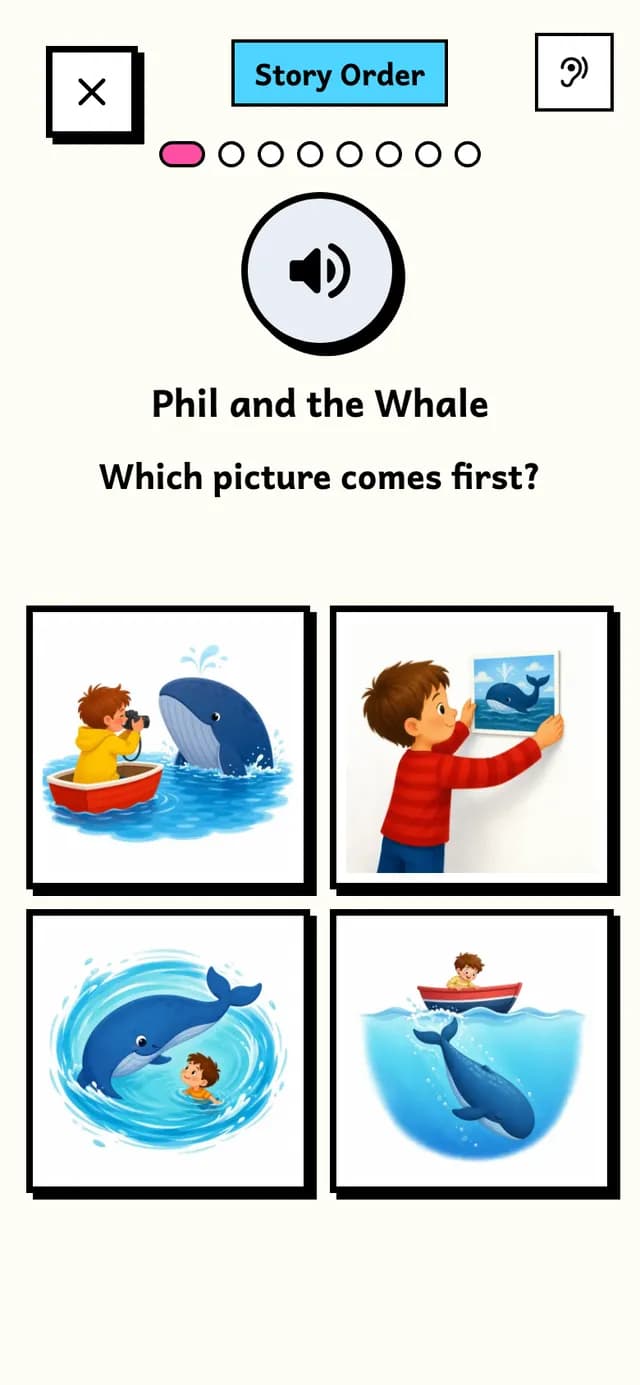
Choose a year
Reception phonics games
Ages 4 to 5 · 6 levels
Reception is where reading starts: one letter sound at a time, then blending sounds into words, then first tricky words and short stories.
Year 1 phonics and screening check practice
Ages 5 to 6 · 6 levels
Year 1 brings new ways to spell sounds they already know, like ay and a-e, longer words, and the phonics screening check in the summer term.
Year 2 phonics and spelling games
Ages 6 to 7 · 6 levels
In Year 2 phonics turns into spelling and grammar: spelling patterns, words that sound alike, apostrophes, sentence types and longer stories.
Hear the voice
Every sound, said clearly
Tap a letter. You hear the sound on its own, then a word that starts with it: the same clips your child hears in the games. The voice is natural-sounding, made with AI text-to-speech, and it is the same voice all the way through.
These are the first eight letters in Reception Level 1, taught one per lesson in this order.
Guides for grown-ups
- Pure soundsHear every phonics sound said cleanly, and why 'muh' trips up blending.
- s, a, t, p, i, nWhy phonics starts with these six sounds, and the order the rest come in.
- BlendingPush sounds together into words, sound buttons, and what to do when they're stuck.
- Digraphs and trigraphsTwo letters, one sound: sh, ch, th, ai, igh and how to spot them.
- Reading books from schoolWordless books, decodable books, ‘too easy’ books and how long to read each night.
- Letter formationWhy lowercase comes first, how each letter is formed, and pencil grip by age.
- The phonics screening checkThe 40 words, alien words, the pass mark and how to help in Year 1.
- All guidesEvery guide for grown-ups, in one place.
How phonics practice works here
- Every sound is spoken in the same clear, natural voice, so children always hear the pure sound: "mmm", not "muh".
- Words in a level only use sounds the child has already met, so they can always be sounded out.
- Tricky words are taught a few at a time and reviewed in later levels.
- Year 1 includes phonics screening check practice, and our guide to the screening check explains the check itself.
See what each game practises, or read the grown-ups' guide.